OUR SRI LANKAN LIFE STYLE
🇱🇰 Overview of the Sri Lankan Flag
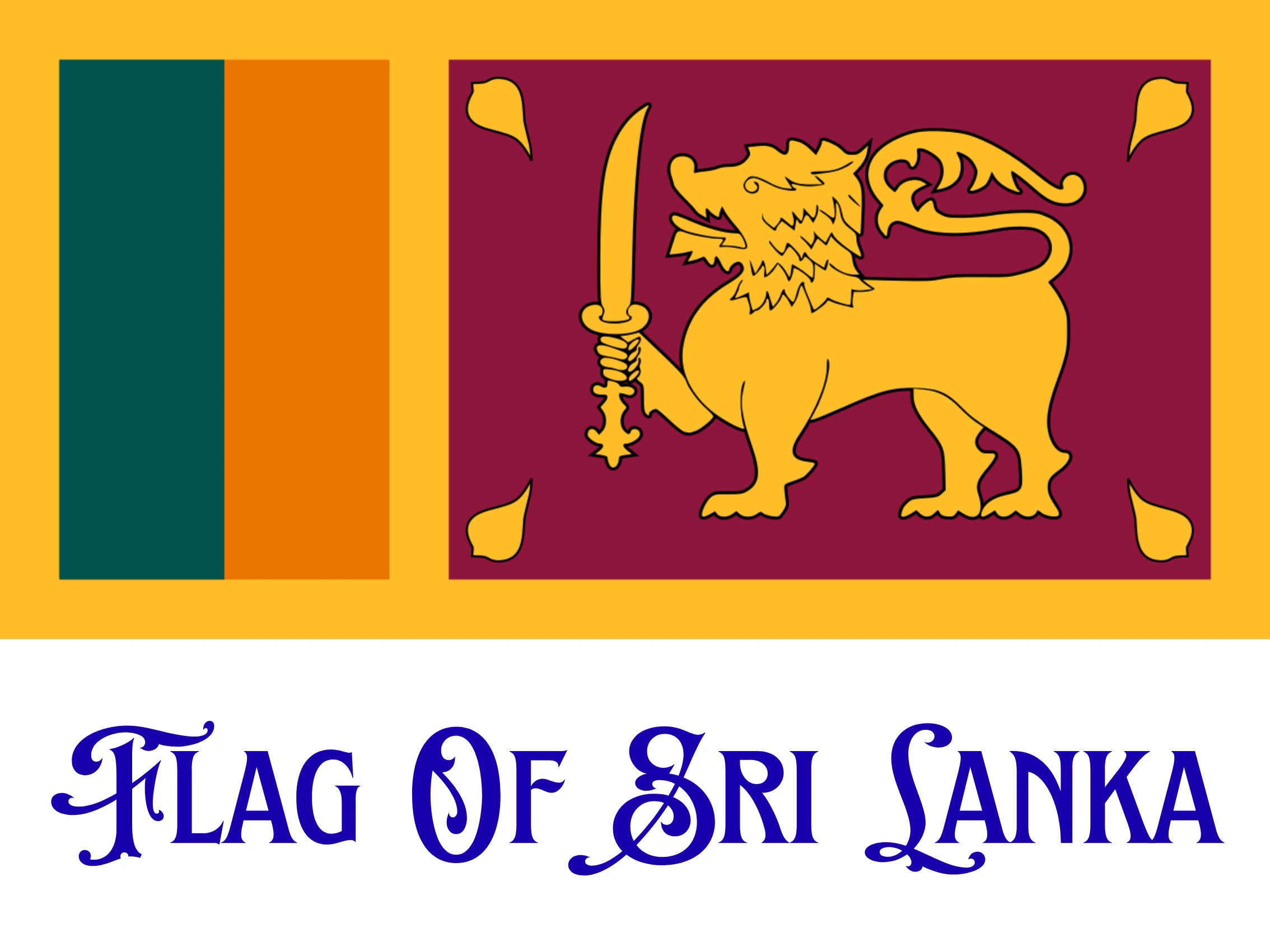
The Sri Lankan flag, also known as the Lion Flag, is one of the oldest national flags in the world and is rich in history, culture, and symbolism. It represents the country’s heritage, religions, ethnic groups, and values..
🇱🇰 The national flag of Sri Lanka—also known as the Lion Flag—beautifully symbolizes the nation’s history, unity, and cultural diversity. It features a golden lion holding a sword on a maroon background bordered in yellow, with vertical green and orange stripes on the left. 🦁 The lion represents courage, strength, pride, and the Sinhalese people, while the sword signifies sovereignty and the readiness to defend freedom. The maroon field reflects the Sinhalese majority and Buddhist heritage, and the four Bo leaves in each corner symbolize the Buddhist virtues of loving-kindness (Metta), compassion (Karuna), sympathetic joy (Mudita), and equanimity (Upekkha). 🟧 The orange stripe represents the Tamil community, 🟩 the green stripe represents the Muslim community, and the yellow border signifies unity and harmony among all ethnic and religious groups. Adopted in 1948 after independence (then Ceylon), the Sri Lankan flag stands as a powerful emblem of national unity in diversity, spiritual values, strength, and peaceful coexistence.
POPULAR FACTS ABOUT SRI LANKA

Where is Sri Lanka?
Sri Lanka is an island nation located in South Asia, in the Indian Ocean, just southeast of the southern tip of India.
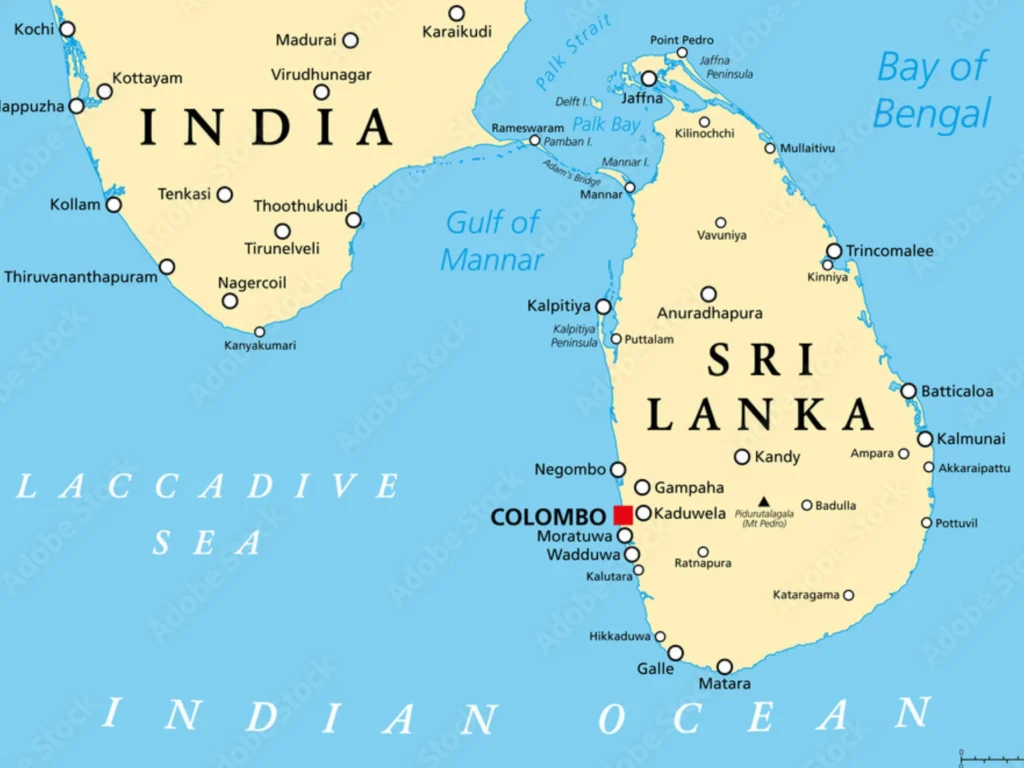
Sri Lanka is a tropical island nation in South Asia, located in the heart of the Indian Ocean, making it easy to spot on the world map for first-time travelers. 📍 Positioned at 7.8731° N latitude and 80.7718° E longitude, the country lies just north of the Equator in the Northern Hemisphere, giving it a warm, sunny climate year-round. 🌞 You can find Sri Lanka southeast of India, separated by the narrow Palk Strait, with the closest distance being about 31 km (19 miles). 🗺️
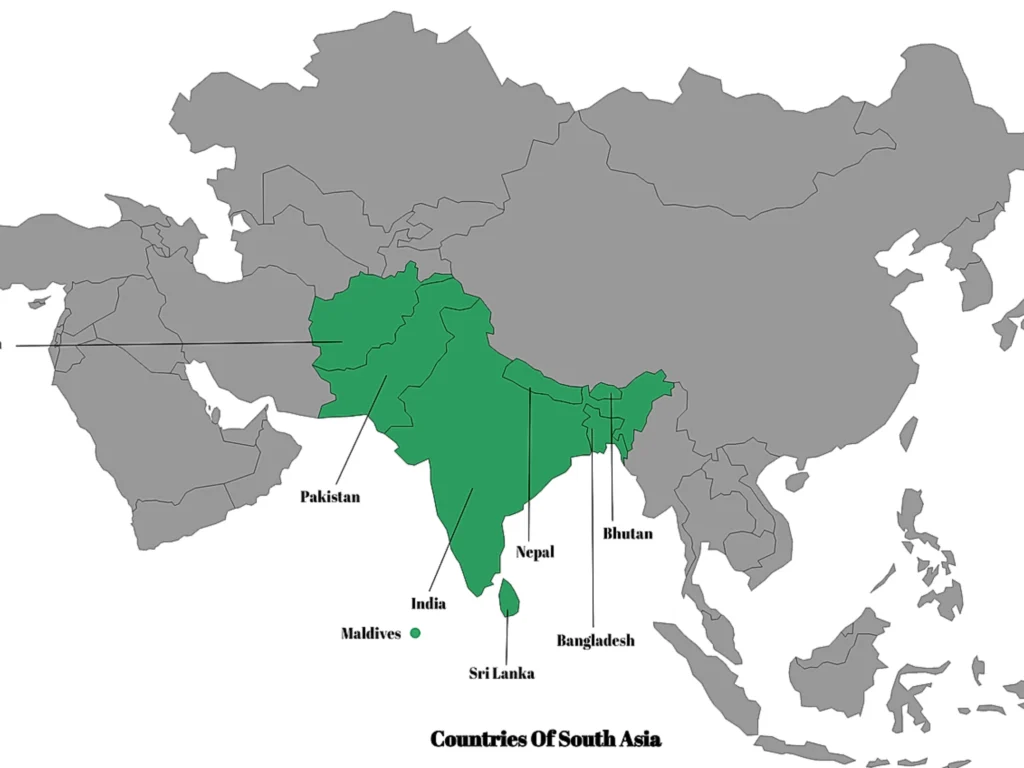
Situated between 5°–10° North latitude and 79°–82° East longitude, Sri Lanka sits along some of the world’s busiest maritime trade routes, which historically made it a key stop between East and West. 🌊 As part of the Asian continent and the South Asian region, this island paradise is surrounded by the vast Indian Ocean, offering stunning coastlines and strategic global connectivity. 🌴
Whether you’re planning your first visit or exploring the world map, Sri Lanka’s unique location makes it a prominent and unforgettable destination.
History Of Sri Lanka
Sri Lanka has a rich and continuous history spanning over 2,500 years, shaped by ancient kingdoms, Buddhism, colonial rule, and modern nation-building.
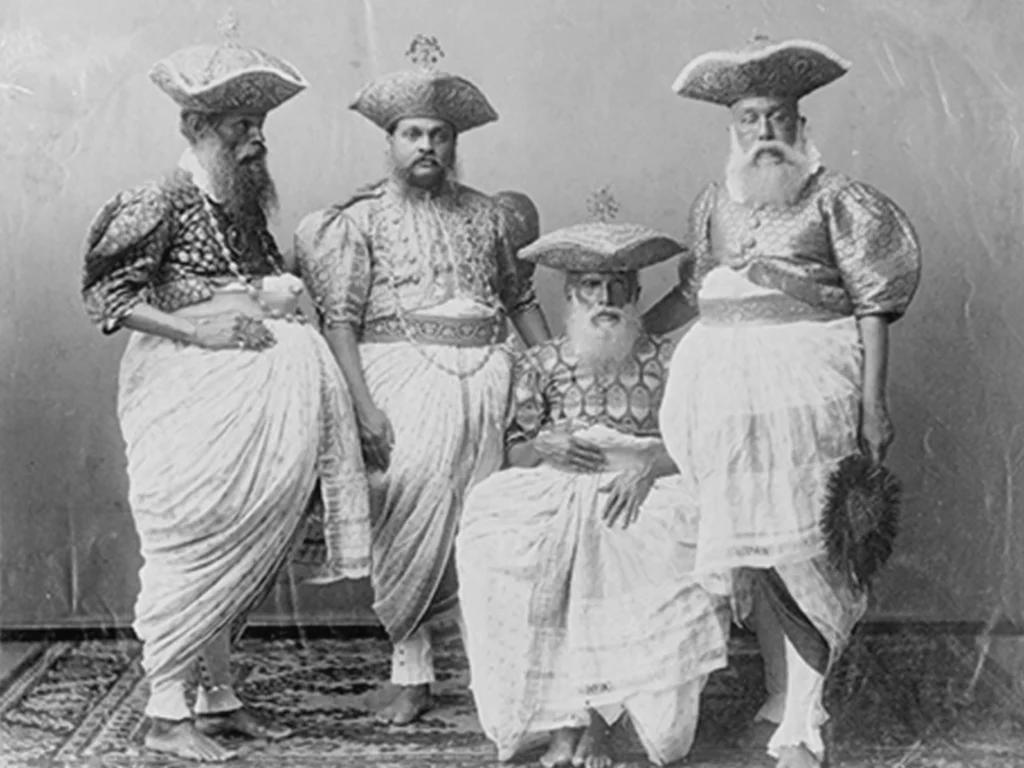
Sri Lanka 🇱🇰, a historic island nation in South Asia, boasts a rich heritage spanning over 125,000 years, beginning with early human settlements such as the Balangoda Man 🏺 and indigenous communities like the Yakkhas and Nagas. According to the Mahavamsa, the arrival of Prince Vijaya in 543 BCE marked the foundation of Sinhalese civilization and the rise of early kingdoms in the north-central region. Buddhism ☸️ was introduced in the 3rd century BCE by Mahinda Thera, son of Emperor Ashoka, and embraced by King Devanampiya Tissa, shaping Sri Lanka’s culture, education, and governance. The Anuradhapura Kingdom 🏰 became the first major capital, renowned for advanced irrigation systems and iconic stupas like Ruwanwelisaya, while the Polonnaruwa period saw engineering marvels such as Parakrama Samudraya built by Parakramabahu I. Following South Indian invasions ⚔️ and the rise of regional kingdoms, European colonial powers reshaped the island—Portuguese 🇵🇹, Dutch 🇳🇱, and British 🇬🇧—introducing Christianity, Roman-Dutch law, plantation agriculture, and railways. Sri Lanka gained independence in 1948 as Ceylon 🕊️ and became the Democratic Socialist Republic of Sri Lanka in 1972, evolving into a multicultural nation known for its heritage sites, tea production, biodiversity 🌿, and strategic location along Indian Ocean trade routes.

Ethnic Groups Of Sri Lanka
Sri Lanka is a multi-ethnic, multi-cultural country with several distinct communities that have shaped its history, language, religion, and traditions.
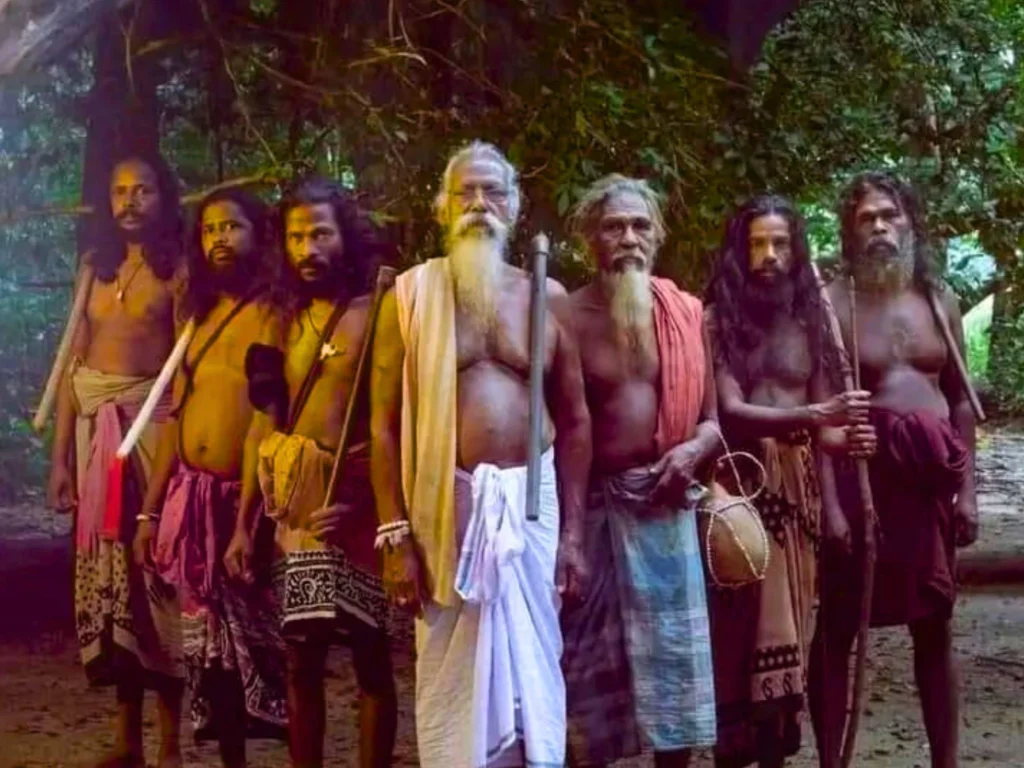
Sri Lanka is a multi-ethnic and multicultural nation in South Asia, with the Sinhalese forming the largest ethnic group, making up about three-quarters of the population. Sinhala-speaking and predominantly followers of Theravada Buddhism, the Sinhalese have shaped the island’s culture, traditions, and heritage for over two millennia. Their civilization traces its legendary origins to Prince Vijaya, as recorded in the ancient chronicle Mahavamsa, and flourished in great kingdoms such as Anuradhapura and Polonnaruwa, renowned for advanced irrigation systems, monumental stupas, and sophisticated urban planning. Buddhism, introduced in the 3rd century BCE during the reign of King Devanampiya Tissa, became the foundation of Sinhalese culture, influencing temples, festivals, arts, and daily life. Today, Sinhalese communities are spread across the island, especially in the south, west, and central regions, where traditions are reflected in agriculture, architecture, cuisine, and vibrant celebrations such as Vesak and the Sinhala & Tamil New Year. Alongside the Sinhalese, Sri Lanka’s rich cultural diversity includes the Tamil community in the Northern and Eastern regions, the Muslim Sri Lankan Moors—descendants of Arab traders—prominent in cities like Colombo, as well as smaller groups such as Burghers, Malays, and the indigenous Vedda people of Dambana, all of whom contribute to the island’s unique cultural identity and heritage.
Main religions of Sri Lanka
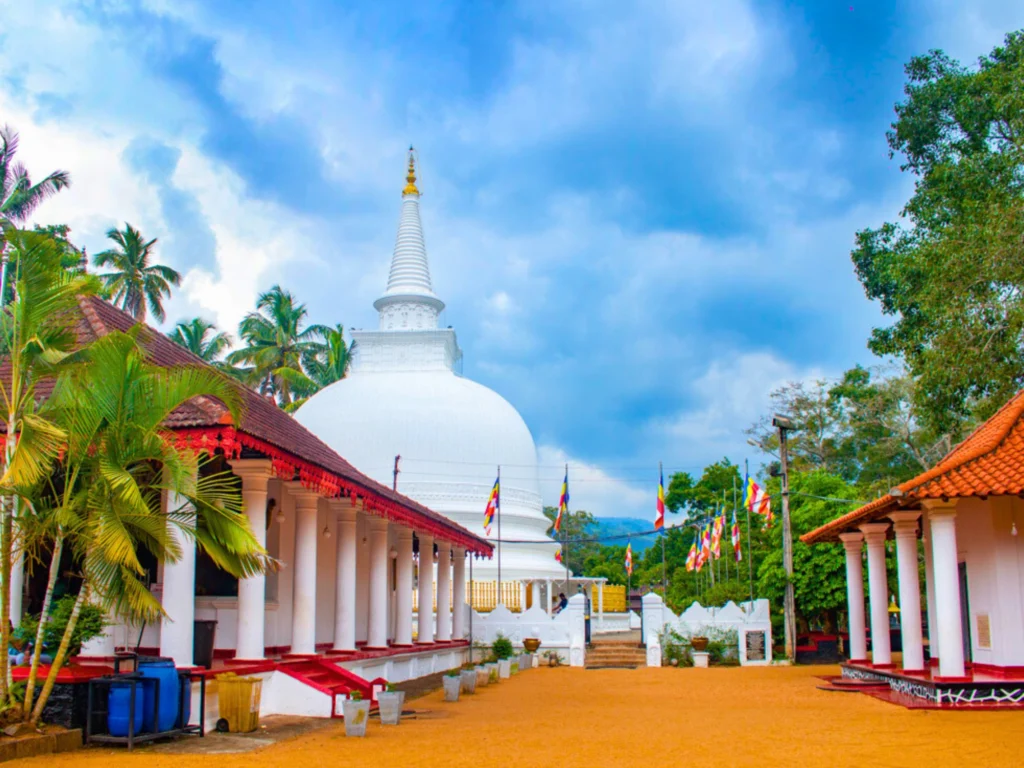
Sri Lanka is a multi-religious country where faith plays an important role in culture, traditions, and daily life. Sri Lanka is known for its religious diversity, and many communities live side by side, sharing cultural practices and festivals.
Buddhism, particularly Theravada Buddhism, has profoundly shaped Sri Lanka’s culture, relationship with nature, and daily lifestyle for over 2,000 years, inspiring iconic art and architecture such as stupas, cave temples, and sacred sites like the Temple of the Sacred Tooth Relic and Dambulla Cave Temple, while festivals such as Vesak, Poson, and the Esala Perahera in Kandy promote unity, generosity, and cultural identity. Buddhist teachings emphasize compassion and non-violence toward all living beings, encouraging the protection of temple forests, sacred groves, and wildlife, as well as sustainable practices like ancient irrigation systems developed in kingdoms such as Anuradhapura. Alongside Buddhism, Hinduism—practiced mainly by the Tamil community and representing about 12–15% of the population—plays a vital role in the Northern and Eastern provinces through temple worship, puja rituals, and festivals like Thai Pongal and Deepavali, with important sites including Nallur Kandaswamy Kovil and Koneswaram Temple. Islam, followed by around 9–10% of Sri Lankans such as Moors, Malays, and some Tamil Muslims, centers on daily prayers, Ramadan fasting, and mosque-based community life, with historic landmarks like Jami Ul-Alfar Mosque reflecting its long presence since the arrival of Arab traders. Christianity, practiced by about 7–8% of the population among Sinhalese and Tamil communities, includes Roman Catholic and Protestant traditions, church services, and celebrations like Christmas and Easter, with notable sites such as St. Mary’s Church, introduced during Portuguese and later European colonial periods, together illustrating Sri Lanka’s rich multi-religious heritage and cultural harmony.
🇱🇰 Is Sri Lanka a safe country to Travel?
🌴✨ Sri Lanka is a safe and welcoming travel destination for solo travelers, couples, and families. As a Buddhist-majority country, Sri Lanka is known for its culture of kindness, hospitality, and respect 🛕💛. Tourists often highlight the friendly locals, strong tourism presence, and low violent crime rates in popular areas. From the scenic hills of Ella to the historic charm of Galle and the iconic rock fortress of Sigiriya, visitors enjoy a peaceful and secure travel experience 🌊🏞️. With simple precautions, Sri Lanka offers a safe, affordable, and unforgettable holiday in South Asia. 🌞✈️
MORE POPULAR FACTS ABOUT SRI LANKA
Currency of Sri Lanka?
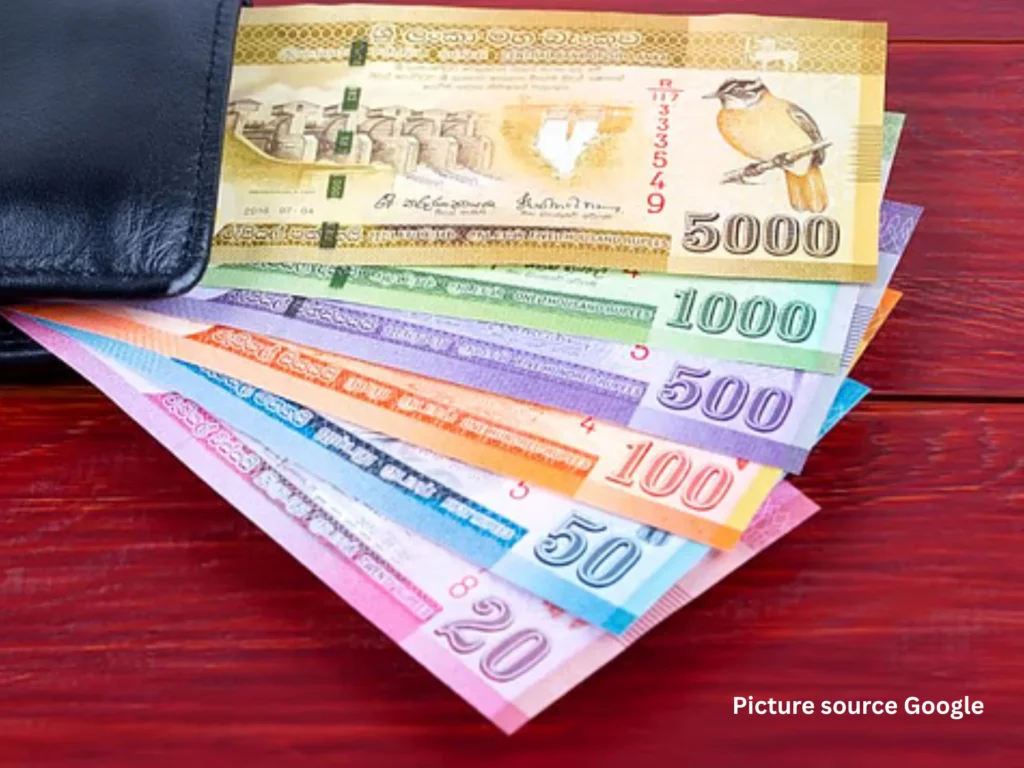
The official currency of Sri Lanka is the Sri Lankan Rupee (LKR). It is commonly abbreviated as Rs. or රු (Sinhala) and ரூ (Tamil).
Key facts:
Coins: Rs. 1, 2, 5, 10 and 25, 50 cents
Currency code: LKR
Subunits: 1 Rupee = 100 cents
Common notes: Rs. 20, 50, 100, 500, 1000, 2000, 5000
Sri Lanka’s official currency is the Sri Lankan Rupee (LKR), which is used for most daily transactions, especially in local markets, small shops, and rural areas where cash remains essential. ATMs are widely available in cities and tourist hubs, making it easy for travelers to withdraw rupees using international bank cards.

For connectivity, affordable local SIM cards with data packages are readily available at the airport and major towns, helping visitors stay connected for navigation, bookings, and communication throughout their trip.
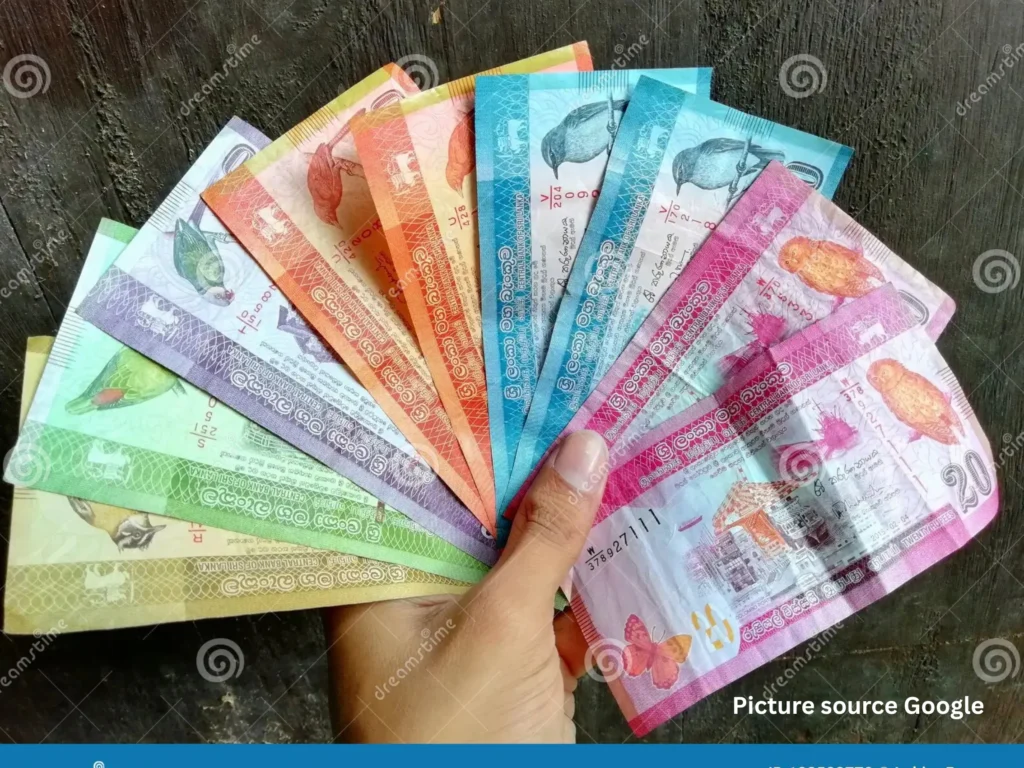
While some hotels, tour operators, and high-end restaurants accept US dollars (USD) or other major foreign currencies, payments are usually processed in rupees based on the current exchange rate. Travelers often find it convenient to carry a small amount of USD for exchange upon arrival, but using LKR ensures smoother transactions and better value in most situations.
History Of Sri Lanka
Sri Lanka has a rich and continuous history spanning over 2,500 years, shaped by ancient kingdoms, Buddhism, colonial rule, and modern nation-building.
Sri Lanka 🇱🇰, a historic island nation in South Asia, boasts a rich heritage spanning over 125,000 years, beginning with early human settlements such as the Balangoda Man 🏺 and indigenous communities like the Yakkhas and Nagas. According to the Mahavamsa, the arrival of Prince Vijaya in 543 BCE marked the foundation of Sinhalese civilization and the rise of early kingdoms in the north-central region. Buddhism ☸️ was introduced in the 3rd century BCE by Mahinda Thera, son of Emperor Ashoka, and embraced by King Devanampiya Tissa, shaping Sri Lanka’s culture, education, and governance. The Anuradhapura Kingdom 🏰 became the first major capital, renowned for advanced irrigation systems and iconic stupas like Ruwanwelisaya, while the Polonnaruwa period saw engineering marvels such as Parakrama Samudraya built by Parakramabahu I. Following South Indian invasions ⚔️ and the rise of regional kingdoms, European colonial powers reshaped the island—Portuguese 🇵🇹, Dutch 🇳🇱, and British 🇬🇧—introducing Christianity, Roman-Dutch law, plantation agriculture, and railways. Sri Lanka gained independence in 1948 as Ceylon 🕊️ and became the Democratic Socialist Republic of Sri Lanka in 1972, evolving into a multicultural nation known for its heritage sites, tea production, biodiversity 🌿, and strategic location along Indian Ocean trade routes.
Ethnic Groups Of Sri Lanka
Sri Lanka is a multi-ethnic, multi-cultural country with several distinct communities that have shaped its history, language, religion, and traditions.
Sri Lanka is a multi-ethnic and multicultural nation in South Asia, with the Sinhalese forming the largest ethnic group, making up about three-quarters of the population. Sinhala-speaking and predominantly followers of Theravada Buddhism, the Sinhalese have shaped the island’s culture, traditions, and heritage for over two millennia. Their civilization traces its legendary origins to Prince Vijaya, as recorded in the ancient chronicle Mahavamsa, and flourished in great kingdoms such as Anuradhapura and Polonnaruwa, renowned for advanced irrigation systems, monumental stupas, and sophisticated urban planning. Buddhism, introduced in the 3rd century BCE during the reign of King Devanampiya Tissa, became the foundation of Sinhalese culture, influencing temples, festivals, arts, and daily life. Today, Sinhalese communities are spread across the island, especially in the south, west, and central regions, where traditions are reflected in agriculture, architecture, cuisine, and vibrant celebrations such as Vesak and the Sinhala & Tamil New Year. Alongside the Sinhalese, Sri Lanka’s rich cultural diversity includes the Tamil community in the Northern and Eastern regions, the Muslim Sri Lankan Moors—descendants of Arab traders—prominent in cities like Colombo, as well as smaller groups such as Burghers, Malays, and the indigenous Vedda people of Dambana, all of whom contribute to the island’s unique cultural identity and heritage.
Main religions of Sri Lanka
Sri Lanka is a multi-religious country where faith plays an important role in culture, traditions, and daily life. Sri Lanka is known for its religious diversity, and many communities live side by side, sharing cultural practices and festivals.
Buddhism, particularly Theravada Buddhism, has profoundly shaped Sri Lanka’s culture, relationship with nature, and daily lifestyle for over 2,000 years, inspiring iconic art and architecture such as stupas, cave temples, and sacred sites like the Temple of the Sacred Tooth Relic and Dambulla Cave Temple, while festivals such as Vesak, Poson, and the Esala Perahera in Kandy promote unity, generosity, and cultural identity. Buddhist teachings emphasize compassion and non-violence toward all living beings, encouraging the protection of temple forests, sacred groves, and wildlife, as well as sustainable practices like ancient irrigation systems developed in kingdoms such as Anuradhapura. Alongside Buddhism, Hinduism—practiced mainly by the Tamil community and representing about 12–15% of the population—plays a vital role in the Northern and Eastern provinces through temple worship, puja rituals, and festivals like Thai Pongal and Deepavali, with important sites including Nallur Kandaswamy Kovil and Koneswaram Temple. Islam, followed by around 9–10% of Sri Lankans such as Moors, Malays, and some Tamil Muslims, centers on daily prayers, Ramadan fasting, and mosque-based community life, with historic landmarks like Jami Ul-Alfar Mosque reflecting its long presence since the arrival of Arab traders. Christianity, practiced by about 7–8% of the population among Sinhalese and Tamil communities, includes Roman Catholic and Protestant traditions, church services, and celebrations like Christmas and Easter, with notable sites such as St. Mary’s Church, introduced during Portuguese and later European colonial periods, together illustrating Sri Lanka’s rich multi-religious heritage and cultural harmony.